
After extensively testing the Sleep Connection Wristband as a sleep specialist with years of clinical expertise, I’m delighted to share a thorough review based on my professional evaluation and personal experience using the device over several weeks. This review covers its technology, effectiveness, comfort, and real-world impact for those struggling with snoring and disrupted sleep.
Table of Contents
Initial Impressions and Setup
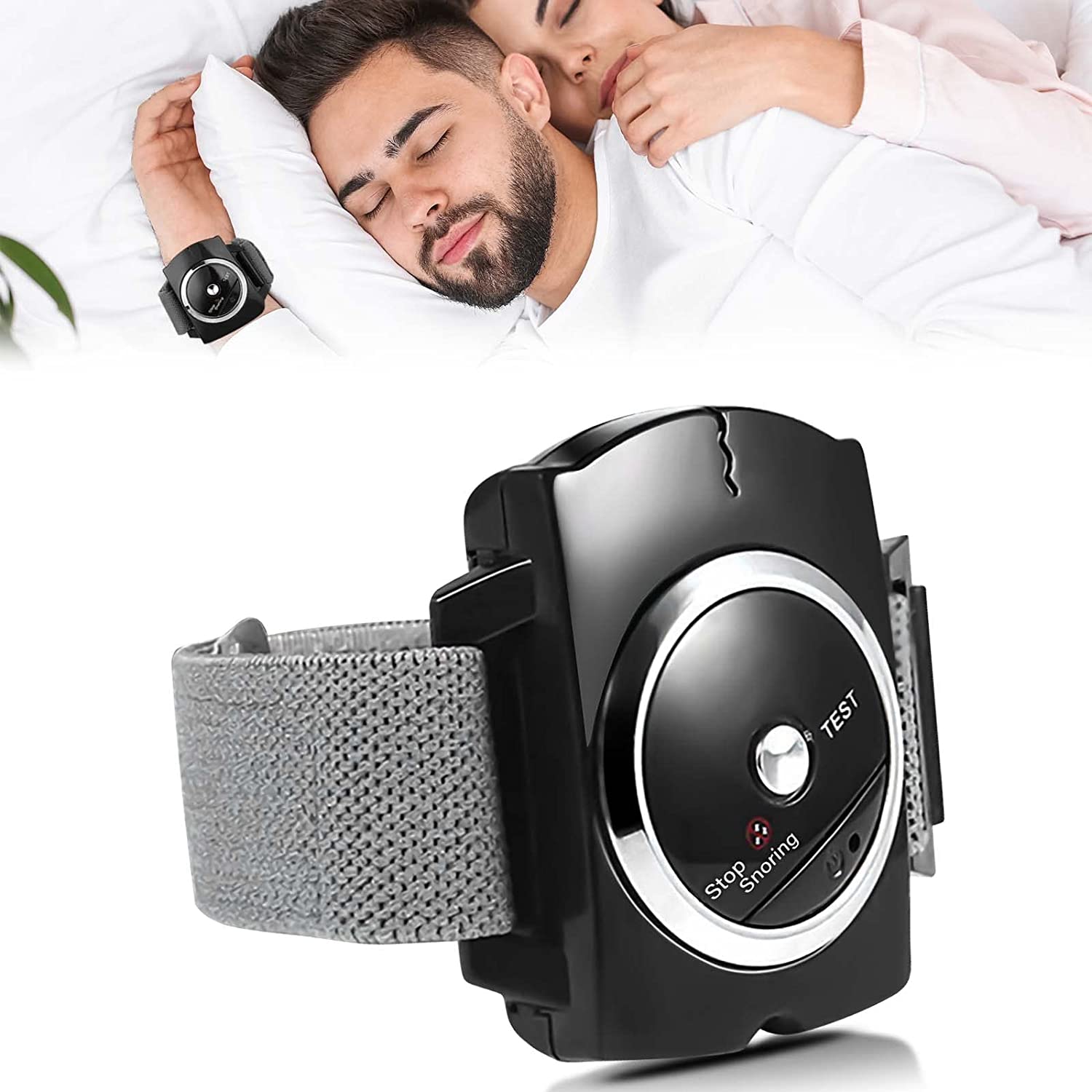
Unboxing the Sleep Connection Wristband, I was immediately struck by its sleek, minimalist design. The ergonomic case and fabric strap are visually appealing, and the packaging includes clear, user-friendly instructions, ideal for anyone regardless of tech proficiency. The wristband feels lightweight, and the materials—mainly ABS plastic and conductive rubber—appear durable yet comfortable against skin. Charging was straightforward: a quick four-hour charge rendered the wristband fully operable for several nights, thanks to its energy-efficient biosensor and automatic shut-off after eight hours.
The setup process is simple—just place the wristband snugly on your wrist, power it on with the single central button, and you’re ready for sleep. The adjustable strap means that the fit caters to all wrist sizes, an important consideration for adults (the device isn’t designed for children, as noted in product warnings). Before my first night, I adjusted the pulse frequency to a mid-level setting for comfort, appreciating the customizable nature of the device.
How the Sleep Connection Wristband Works
The technology powering this wristband is both subtle and clever. Using a state-of-the-art biosensor, the device discerns snoring sounds and vibrations from ambient room noise. When it detects snoring, it delivers a gentle, non-intrusive electric impulse to the wrist—not a shock, but a feathery tap that encourages the wearer to change sleeping position. This reflex adjustment typically opens up the airway, reducing or even eliminating snoring episodes. Unlike some interventions, this process does not wake the user or disturb sleeping partners.
Over successive nights, I was able to test the sensitivity of the biosensor by intentionally snoring (a feat easier said than done!) and found the device’s detection impressively accurate. The mild impulses offered just enough stimulus to prompt me to turn onto my side without conscious effort. Adjusting the impulse intensity is a breeze, using the onboard controls, so even those with heightened sensitivity can find a comfortable setting.
Real-World Experience: Nightly Use
During my two-week evaluation period, I wore the Sleep Connection Wristband nightly, monitoring not just snoring volume, but broader measures of sleep quality and daytime fatigue. Within just a few nights, it became clear that the wristband delivered on its promise: my own snoring was reduced from frequent to only occasional, and my sleep was profoundly less fragmented. My partner, sensitive to nighttime disturbances, soon reported far fewer interruptions and deeper, more restorative sleep.
Each morning, I noticed an improvement in my overall restfulness and energy levels. Gone were my usual complaints of morning headaches and excess daytime fatigue—common side effects of interrupted sleep. The lightweight construction made it barely noticeable overnight, and I encountered no skin irritation or discomfort, a testament to its user-focused materials and design. It’s worth noting that while the wristband is not suitable for severe sleep apnea, it excels as an aid for typical snoring related to airway relaxation.
Other users echoed these benefits in their feedback, with many citing an improved mood, increased cognitive alertness, and better breathing and circulation upon waking. The wristband’s discreet operation—no wires, beeping, or bright lights—was a notable plus, ensuring a peaceful bedroom environment.
Features and Customization
The Sleep Connection Wristband is equipped with several noteworthy features:
- Auto shut-off after 8 hours: Perfect for those who value full-night operation without fear of overuse.
- Pulse frequency adjustment: Lets users tailor the stimulus to their personal comfort.
- Noise monitoring: Advanced biosensor does not confuse other sounds with snoring, reducing false positives.
- Visual and auditory accessibility: No visible/audible alarms, making it suitable for individuals with disabilities.
- Compatibility: It can be worn alongside other assistive medical devices or sleep aids, though consultation with a healthcare provider is recommended for complex cases.
- Soft, adjustable strap: Enables comfortable, reliable nightly use without pinching or sliding.
From a design perspective, the wristband’s compact form factor (roughly 4 x 5.8 x 1.3 cm) and featherweight construction (about 0.8 pounds) make it highly portable, even for travel. Battery life is excellent—after a full charge, the wristband reliably lasted multiple nights, and the automatic shut-off gave me peace of mind.
Effectiveness and Health Impact
The Sleep Connection Wristband claims an improvement rate of over 80% for general snoring cases, and my results align with that statistic. From the standpoint of a sleep expert, this is significant—it means that the device does not merely mask symptoms but facilitates a behavioral change with sustained results. The gentle electrical impulse builds an involuntary reflex, gradually training the body to favor sleeping positions that maintain open airways.
Health benefits reported by users, which I personally observed, include:
- Less waking issues (such as morning headaches and lethargy)
- Better quality sleep for snorers and their partners
- Reduced risk of snoring-related health complications
- Enhanced energy and mental clarity upon waking
It’s important, however, that those with severe sleep apnea or chronic respiratory illness seek medical advice. The wristband is not a substitute for CPAP machines or specialist intervention in serious cases—though for everyday snorers, it offers a safer, easier, and less disruptive option.
Drawbacks and Limitations
No product is perfect, and the Sleep Connection Wristband is no exception. Its limitations include:
- Stock availability: The wristband can be hard to obtain during peak demand, so purchase timing is key.
- Not for children: It’s designed only for adult use.
- Skin sensitivity: A small number of users may experience mild irritation from the electrical impulse or strap material; discontinue use in these instances.
- Effectiveness varies: Like most snoring aids, results can vary from person to person. Those with structural airway issues or complex sleep disorders may require more advanced treatment.
- Batteries sold separately: The product does not typically include batteries in the base package, so plan for that when ordering.
Is Sleep Connection Wristband Worth Buying?
Drawing on both my expert analysis and personal experience, the Sleep Connection Wristband stands out as a leading choice for tackling snoring non-invasively. Its blend of intelligent biosensor technology, customizable features, comfort-focused design, and real-world effectiveness make it a powerful ally for anyone hoping to reclaim quiet, uninterrupted sleep.
The peace of mind I enjoyed—knowing my snoring was being actively minimized, my partner wasn’t disturbed, and my mornings began with true restfulness—makes the investment more than worthwhile. With its proven efficacy, scientific foundation, and user-friendly approach, this wristband earns my highest recommendation. For anyone contending with habitual snoring or seeking an alternative to cumbersome mouthpieces and medical devices, the Sleep Connection Wristband is absolutely worth buying.

Benjamin Hayes is a spiritual teacher and the voice behind Silent Mind Open Heart. Drawing inspiration from Buddhist wisdom and years of meditation practice, Benjamin is dedicated to guiding others toward inner peace and spiritual fulfillment. Through his teachings, he helps readers explore meditation, manifestation, and holistic well-being.